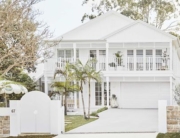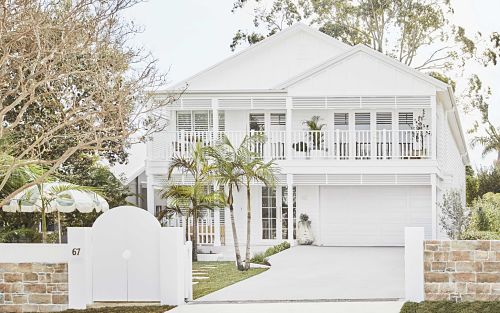

Redesigning your home’s garden has a strange side effect. The moment the façade begins to change, everything around it starts to look like it belongs to a different property. Fresh render, new windows, updated brickwork, and suddenly the garden feels disconnected, as if it missed the memo. A full exterior transformation is not just about the house. It is about the setting, the approach, the experience of arriving.

Via Pexels
See The Garden As Part Of The Architecture
When people plan exterior renovations, the building usually takes centre stage. The garden becomes an afterthought, something to “tidy up later.” This is where cohesion unravels. The outdoor space frames the house visually and emotionally. It influences how large the property feels, how light behaves, and how welcoming the entrance appears.
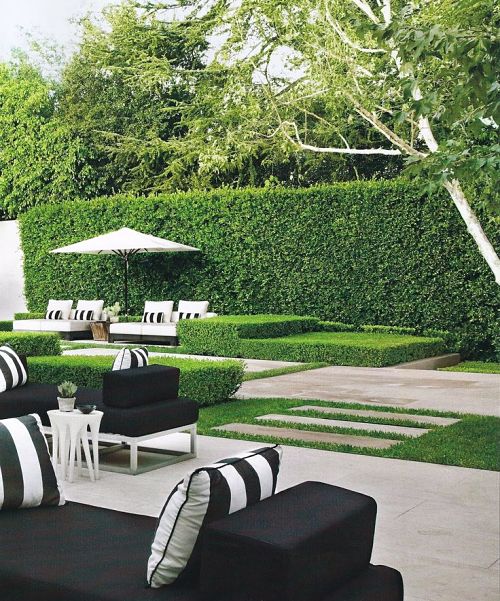
Instead of treating the garden as decoration, think of it as an extension of the architecture. Lines, shapes, textures, and materials should feel related. Not identical, but connected. A sleek modern update pairs beautifully with structured planting and clean paving geometry. A traditional home often benefits from softer edges and layered greenery.
Rethink Movement, Not Just Layout
A garden redesign works best when it follows human behaviour rather than rigid symmetry. How do you step into the space? Where do guests drift? Which routes feel natural and which feel forced?
Paths should guide movement intuitively. Terraces should sit where people genuinely want to pause. A beautifully paved corner that nobody ever uses is simply expensive scenery. Observe sunlight patterns, natural shortcuts, and the subtle ways people interact with the space.
Flow creates comfort. Comfort creates use.
Choose Hard Landscaping With Long-Term Vision
Hard landscaping decisions shape the garden for decades. Stone, porcelain, timber, gravel. These choices define character and maintenance levels. Materials should complement the updated house without trying too hard to match it.
Practicality is critical. Rain, frost, damp conditions, and algae growth. A surface that looks stunning in summer but becomes treacherous in winter quickly loses its charm. Texture, slip resistance, and drainage capacity matter just as much as colour.
Address Levels And Structure Early
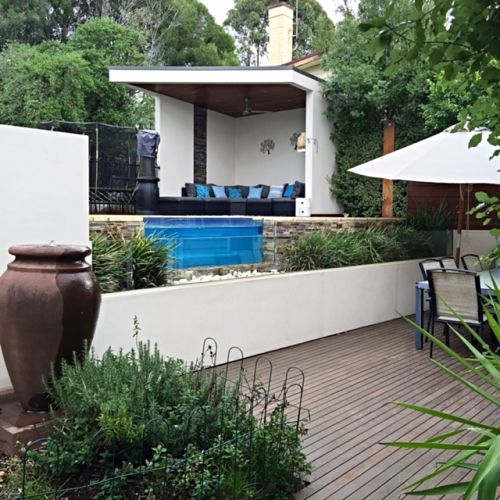
Exterior renovations often involve scaffolding, groundwork, and heavy access. This is the ideal moment to correct awkward garden levels or introduce structural improvements. Raised terraces, gentle steps, retaining walls, sunken seating zones. Even subtle height changes add dimension and purpose.
However, altering levels is not purely aesthetic. Drainage, soil stability, and water behaviour must be carefully considered. Poor planning can result in pooling, shifting surfaces, or gradual damage. Integrating proper drainage and erosion control ensures the garden remains resilient rather than problematic.
Use Planting To Soften And Balance
A newly renovated exterior can sometimes feel stark, particularly if colours are bold or lines are sharp. Planting restores warmth and movement. The key is restraint combined with intention.
Evergreen structure anchors the design year-round. Seasonal highlights prevent visual fatigue. Texture adds depth that paint alone cannot achieve. Grasses, layered shrubs, sculptural trees. The goal is not abundance, but atmosphere.
Create A Unified Exterior Experience
Redoing your entire home exterior is a rare opportunity to align building and landscape into a single, coherent story. When the garden is considered alongside the façade, the transformation feels complete. The house does not simply look better. It sits better, flows better, and welcomes better.
That sense of harmony is what people respond to, even if they cannot quite explain why.