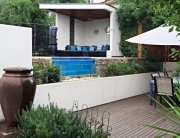

A well-designed, long-lasting exterior for a building depends on the successful combination of multiple materials. Materials that have been around for thousands of years and are still widely used today include stone, wood, and brick. Each of these materials has inherent qualities of durability and design versatility. No single trend will restrict their use as they are able to enhance a wide variety of architectural styles.
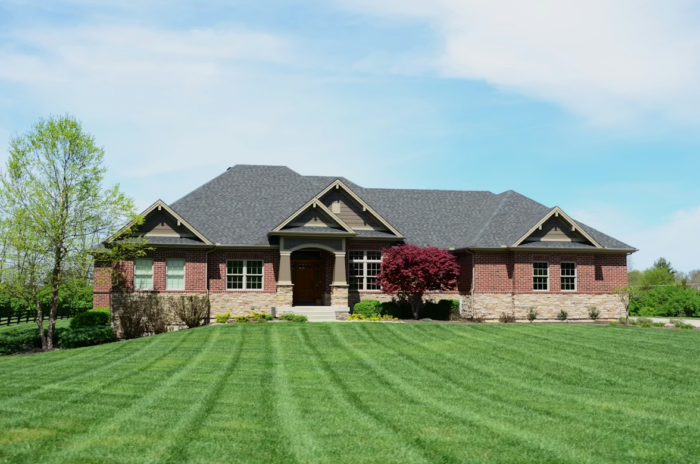
Via Unsplash
Stone as Structural Material and Visual Contrast
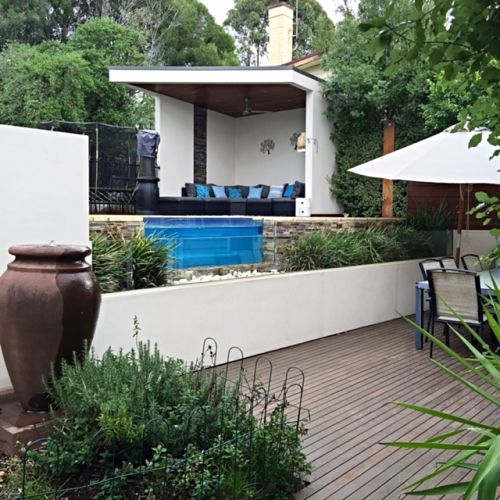
Stone lends permanent structural integrity to the exterior of a house. Stone is well-suited to foundational areas of a house as well as walls of interest. The rugged surface and varied tones of stone provide a perfect backdrop for smooth finish surfaces. While many different types of stone are used to clad walls, surround entrances, and blend into landscapes, regionally-sourced stone provides environmental compatibility and reduced transportation costs. Properly selected colour and layout, as well as careful placement, help avoid visual clutter. Additionally, in colder climates, the thermal mass of stone is a significant benefit.
Timber as a Softening Accent
Timber provides a warm element to a cold, hard structure. Used in soffits, screens, and vertical slats, timber breaks up large flat surfaces and introduces warmth. As with all natural materials, proper maintenance and protection are essential, especially when the timber is exposed. Durable hardwoods generally perform better than less durable hardwoods. Pre-finished timber products minimise on-site labour and provide predictable weathering performance. Depending on how timber is cut, arranged, and finished, timber is suitable for contemporary or traditional designs.
Brick as a Unifying Component
Brick performs both structural and aesthetic functions. The modular nature and high compressive strength of brick make it a dependable choice for a wide variety of applications. Brick is commonly used for load-bearing walls, fencing, and decorative details such as sills and soldier courses. In Australia, bricks come in a vast array of textures, colours, and shapes. Australian bricks are manufactured specifically to meet the demands of the various climate zones of Australia, as well as the architectural preferences of each region. Low-maintenance requirements and the ability of brick to regulate temperature add to the value of using brick in residential construction.
Combining Materials with Intention
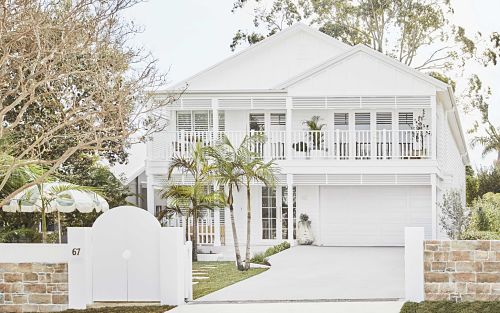
Effective integration of these natural finishes depends on proportion, placement and colour alignment. Stone typically suits grounding or structural portions of the facade. Timber can be introduced around openings or entry points to draw attention and break up the solid mass. Brick, with its versatile geometry, fills transitional roles and connects different materials. Scale also influences effectiveness. Larger homes can accommodate a greater variety, while compact dwellings benefit from restraint.
Joint detailing, alignments and backing structures must be considered early in design to avoid material clashes or unintended expansion issues. Each material has different responses to moisture, heat and movement. Proper separation joints, compatible fixings and consistent flashing details help preserve longevity and appearance.
Natural materials remain relevant in exterior design due to their proven performance and adaptability. Stone, timber and brick provide contrasting yet complementary qualities. When composed with intent, they form a robust envelope suited to a wide range of environments and architectural expressions. Their appeal is grounded not in aesthetic novelty, but in practical consistency.